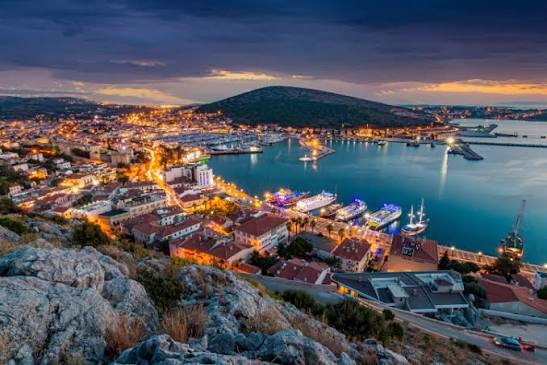
Stretching like a tongue into the Aegean Sea, the Çeşme Peninsula is home to the westernmost settlements of Turkey. With only a few nautical miles between it and the islands on the opposite shore, this geography enjoys a much cooler climate than the interior thanks to the northerly wind that blows all summer. Low hills, mastic trees, cut-stone architecture and thermal springs rising from underground define the peninsula's character. Besides the sea, the region welcomes visitors across a wide range, from windsurfing to viticulture, from ancient cities to wild-herb cuisine.
Çeşme, in İzmir, is the centre of this peninsula and is reached from the city in about an hour by motorway. With its castle, marina and narrow streets, the town centre preserves the fabric of a historic port town, while Alaçatı a few kilometres away forms a separate area of attraction with its stone houses and surf bays. Along the peninsula's coastline, fine-sand public beaches, rocky natural pools and thermal coves follow one another. The Çeşme travel guide below gathers the district's highlights — what each offers, in which season it is most enjoyable, and what to bear in mind when visiting.
Alaçatı
Alaçatı is the peninsula's best-known town. Enriched by viticulture in the 19th century, it presents a preserved architectural unity with its two-storey cut-stone houses, wooden shutters in shades of blue and green, and courtyards draped in bougainvillea. The cobbled Kemalpaşa Street and the surrounding Alaçatı bazaar line are lively all day with boutique hotels, design shops, breakfast places and meyhanes. The bay to the south of Alaçatı, with its steady, regular wind, is considered one of the world's foremost windsurfing centres; the water staying shallow over a long distance creates a safe area for beginners too. As accommodation and dining prices rise markedly in season, it pays to book in advance.
Çeşme Marina
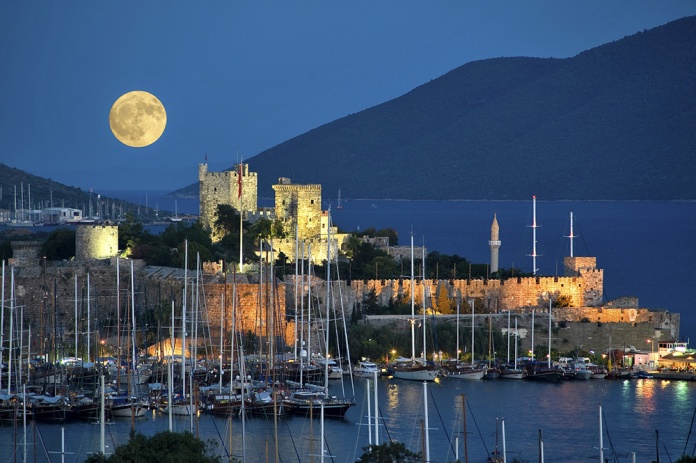
Right beside the town centre, at the foot of the castle, Çeşme Marina is one of the Aegean's important yacht harbours with a capacity of hundreds of boats. Around the marina, shops, cafés and seafood restaurants line an orderly pedestrian axis; this layout makes the area the most comfortable spot in the district for evening walks. In summer you can sail to the surrounding bays on daily boats departing from the marina, join the courses of the sailing schools or go on fishing tours. The marina also sits right beside the international ferry line, so it is the first place seen by those arriving by sea. With businesses that stay open even in winter, it is lively out of season as well.
Delikli Bay
On the coastal road between Çeşme and Alaçatı, Delikli Bay takes its name from the hollowed rock formations in the water. Rocky rather than sandy, the bay forms clear pools reminiscent of natural basins, which makes it the choice especially of those who want to snorkel. As there are few businesses on the shore, you should bring your own shade and drinks. Sea shoes are advisable to avoid slipping while walking on the rocks. On days when the wind blows hard, waves can reach into the bay, so morning hours are better for a visit. At sunset, the bay's west-facing rocks form one of the district's purest viewpoints.
Çeşme Castle
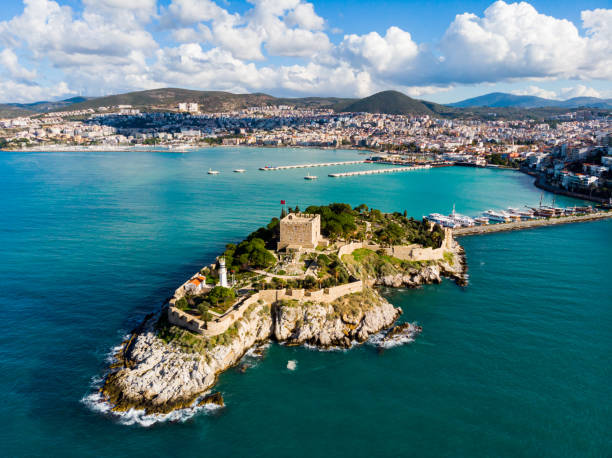
Rising on a hill overlooking the town centre, Çeşme Castle was built at the start of the 16th century, in the Ottoman period, to protect the coast from pirate raids and threats from the sea. With its six bastions, thick curtain walls and traces of a moat, it has largely preserved its original plan. Today the castle houses the Çeşme Archaeology Museum, exhibiting ceramics, sculpture fragments and coins from the Erythrai excavations. From the walls, the marina, the harbour and the silhouette of the island on the opposite shore are seen together. The Monument of Cezayirli Gazi Hasan Pasha in the square before the castle carries the memory of the 1770 Battle of Çeşme. First on the list of historic places in Çeşme, the castle is within walking distance of the centre and easily added to an itinerary.
Ayayorgi Bay
About 5 kilometres from the centre of Çeşme, Ayayorgi takes its name from the old Greek church on the hill overlooking the bay. The bay is rocky and jettied rather than sandy, so the venues on the shore descend to the sea by platforms. By day the area is a calm swimming spot; towards evening, with its music venues, it becomes one of the district's liveliest corners. The deep, clear water also makes the bay suitable for diving. From around the church ruin on the hill a wide view opens over the whole bay; at sunset this point gets quite crowded. In the summer season, bear in mind that the car park fills early and most venues charge an entrance fee.
Ilıca Public Beach
Ilıca Beach is the peninsula's best-known and longest sandy shore. The fine white sand stretching for about two kilometres and the clear sea that stays shallow far out make the beach a safe option for families with children. The feature that gives the area its name is the hot springs welling up from the seabed; at certain points you can feel the water warming as you swim. The public beach section is free and has basic facilities such as showers and changing cabins; the managed areas beside it offer sunbeds and service. With markets, ice-cream shops and accommodation concentrated around Ilıca Beach, spending the whole day here is practical. Thanks to its thermal character, the swimming season opens earlier than at the peninsula's other beaches.
Erythrai Ancient City
Within the bounds of Ildır village, Erythrai is one of the twelve cities of the Ionian League, and the history of the settlement stretches back to the 3rd millennium BC. In antiquity the city was known for its wine, millstones and red dye; its name is accepted as deriving from the root meaning "red". Today the site reveals the acropolis, a theatre, defensive walls and the foundations of the Temple of Athena. The view from the seating rows of the hillside theatre out over the bay and the Ildır Islands clearly shows why the city's position was chosen. As excavations continue, some sections may be closed to visitors. Since the site is largely open and unshaded, come in the morning in midsummer, and bring a hat and water.
Alaçatı Market
Alaçatı's Saturday market is the best opportunity to see the town's everyday life. The stalls showcase the peninsula's seasonal herbs: sea beans, wild fennel, şevketibostan, radika and turp otu form the foundation of the region's culinary culture. Besides the herbs, local cheeses, mastic products, olive oil, dried spices and handicrafts are the market's fixtures. Though the market has taken on a touristic air, it still keeps the rows where villagers sell their own produce. Going early in the morning is an advantage for both variety and coolness. The market area is within walking distance of the town, but on Saturdays the nearby parking spots fill early.
Şifne
About 6 kilometres from the centre of Çeşme, Şifne takes its name from its healing waters, used for thousands of years. The thermal springs of the area are known for their sulphur and mineral content; the surrounding facilities offer spa pools and mud-bath treatments. Sheltered from the wind, Şifne Bay has a waveless sea and, with its shallow entry, offers comfortable swimming. Fish restaurants and breakfast venues line the bay; the area is the choice of those seeking a quieter day than Alaçatı. As the thermal facilities operate all year round, Şifne can be visited outside summer too. Before using the spa, it is advisable to consider whether it suits your health condition.
Kleopatra Bay
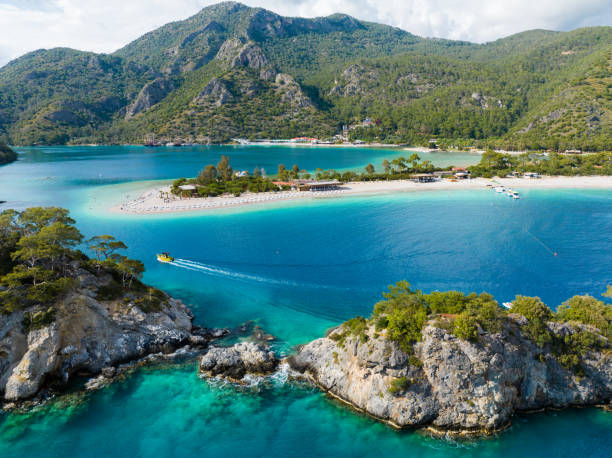
Set on a small island in the Gulf of Ildır, Kleopatra Bay is spoken of as one of the peninsula's most special beaches. It takes its name from the legend told of fine sand brought to the area; the bay's sand is indeed noticeably finer than the surrounding shores. The bay can be reached only by boat; the daily tours departing from Ildır cruise the islands of the gulf and stop here. The shallow, clear, waveless water makes the bay suitable for a long stay. As there are no businesses on the island, you must bring your own food and drink and take your rubbish back. Since tour numbers drop out of season, June to September is the best period for a visit.
Ildır
North-east of the centre of Çeşme, Ildır is one of the peninsula's calmest settlements. Since it was founded over the ancient city of Erythrai, walls built with ancient stones are a common sight in the village. What the village is really known for, though, is its fish restaurants; set on jetties facing the gulf, these venues are the addresses locals themselves prefer for fresh fish, especially in autumn. The islands large and small in the Gulf of Ildır form a route well suited to boat tours and diving. In the gulf, where the wind blows more gently than in the centre, the sea warms early. For those who want a natural day away from the crowds, it is one of the most balanced stops around Çeşme.
The Windmills of Alaçatı
The stone windmills lined up on the hill just above Alaçatı date from the era when the town lived on viticulture and grain. Built in the 19th century, these structures were designed to grind flour using the peninsula's steady wind. Though most have lost their function today, a few restored ones still stand and have become the town's symbol. From the hill, Alaçatı's tiled roofs, the vineyards and the sea in the background are seen together; that is why it is a favourite spot for photographs, especially at sunset. Walking up from the town to the mills takes about fifteen minutes. You can sit in the nearby cafés and watch the view at length.
Things to Do in Çeşme
Beyond swimming, the district offers a wide choice of activities. Windsurfing and kitesurfing lessons in the bays of Alaçatı and Pırlanta, scuba-diving trips in the Gulf of Ildır, wine-tasting tours at the peninsula's vineyard houses and thermal programmes around Şifne top the list of things to do in Çeşme. For a cultural day, Çeşme Castle and the Archaeology Museum, Erythrai and the stone streets of Alaçatı are enough. In the evenings, the venues between Çeşme town centre and Ayayorgi, the restaurants at the marina and the meyhanes of Alaçatı are the favourites. Those coming out of season can see the peninsula's everyday face more easily through the local markets set up on Sundays and quiet coastal walks.
Ferry Crossing from Çeşme to Chios
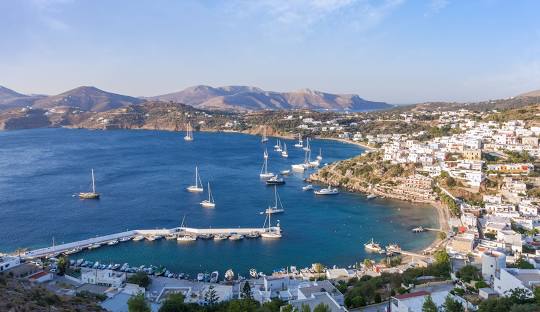
You can add a day to your Çeşme programme and cross to Chios, the island on the opposite shore. With the ferry ticket options departing from Çeşme Harbour, you can take advantage of one of the shortest crossings from Turkey to the Greek islands; the distance between Çeşme and Chios is close enough to be seen with the naked eye in clear weather. On this crossing, which you can plan with the assurance of Tilos Travel, you can go in the morning and return in the evening, seeing the island's main town, the medieval villages of Mesta and Pyrgi and the mastic region famous for its gum production, all in a single day. As the route is international, a passport is required; buying tickets in advance in season and being ready at the port well before departure are recommended.
Because Çeşme offers very different experiences within very short distances, it lends itself to a full programme even on short holidays. Devoting one day to Alaçatı and the windmills, one day to the Ilıca and Şifne line, and one day to Ildır and Erythrai is enough to see the whole peninsula. Considered together with the Chios connection, Çeşme is not merely a summer stop but a gateway opening onto the opposite shore of the Aegean.
Turkish citizens can cross to Chios with a door visa (visa on arrival); see our door visa page for the required documents and the application process.
You May Also Like → Where to Stay and What to Eat on Chios Island?