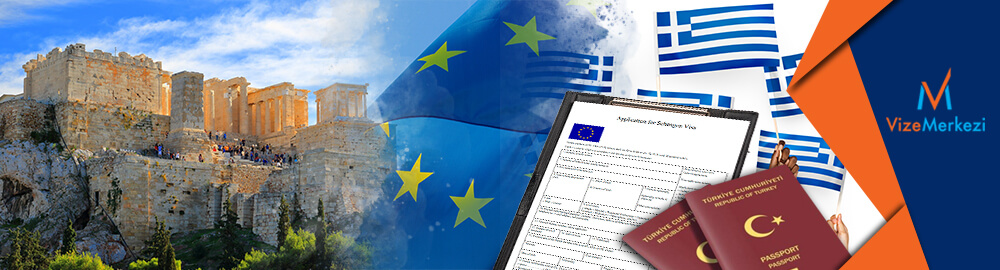
In the southeast of Europe, home to the deepest-rooted heritage of Mediterranean culture, Greece is one of the most important centres of global tourism, with its historical wealth and dazzling geography. Its geographical closeness to the Turkish coast, a shared past and a similar climate have made it a destination that never loses its appeal for travellers from this side of the Aegean. Offering the dynamism of modern city life together with the mystical atmosphere of antiquity, this unique land speaks to travellers of every profile in search of a high-quality holiday. A well-planned trip to Greece is more than a holiday: it is a visionary journey of discovery through the lands where philosophy, art and architecture shaped human history.
Meeting travellers' expectations in every sense, the places to visit in Greece span a broad range, from the ancient cities of the mainland to the thousands of islands scattered across the Aegean and Ionian Seas. When planning a trip to Greece, one should not stay confined to the popular tourist spots but dig into the depths of each region. Natural reserves, UNESCO-protected monuments and crystal-clear coves form the most important stops of a properly planned itinerary.
The Acropolis of Athens
Standing in Athens, the capital of Greece, the Acropolis is one of the most prestigious and iconic archaeological sites not only of the country but of all human history. Set on the city's highest rocky outcrop, this ancient citadel holds the pinnacles of architectural genius, above all the Parthenon, dedicated to the goddess Athena. Built in the 5th century BC, the Parthenon continues to inspire even today's architects with its flawless verticality, the optical corrections that account for the margin of error of the human eye, and its matchless reliefs. The Ancient Agora at the foot of the hill, Hadrian's Wall and the Acropolis Museum are the first signature stops of any serious itinerary of Greece's historic sites. This ancient centre, the country's greatest cultural symbol on a global scale, welcomes millions of travellers every year and holds a mirror to the land where democracy was born.
Santorini
With its caldera views, multi-coloured volcanic beaches and iconic white houses with blue domes, Santorini is the first and most prestigious name that comes to mind among the most beautiful islands of Greece. Shaped into its present crescent form by a colossal volcanic eruption, the island is known for the towns of Fira and Oia, worked like lace into its sheer cliffs. The world-famous boutique luxury hotels built on these steep slopes offer their guests the most perfect sunset views of the Mediterranean beside infinity pools. Santorini is not merely a visual feast; it also promises rich travel content with local vineyards nourished by volcanic soil, the black sands of Perissa Beach and historic remains such as the ancient city of Akrotiri. With its cosmopolitan character and fine-dining restaurants, the island is an indispensable escape for travellers focused on luxury and comfort.
The Monasteries of Meteora
Rising above the town of Kalambaka in Thessaly, Meteora is a mesmerising region of monasteries built from the 14th century onwards on the summits of giant geological rock pillars. Literally meaning "suspended in the air", Meteora gives the impression of a surreal world at first sight, thanks to vertical cliffs shaped over millions of years by wind and water erosion. Of the 24 monasteries that Byzantine monks built on these inaccessible peaks — using only ropes and nets, to be safe from the outside world and closer to God — six can be visited actively today. This UNESCO World Heritage region is the clearest proof of how human determination and the architecture of faith can form a striking harmony with the natural beauty of Greece. For mysticism, hiking and photography tours, it is a route without equal anywhere on earth.
Mykonos
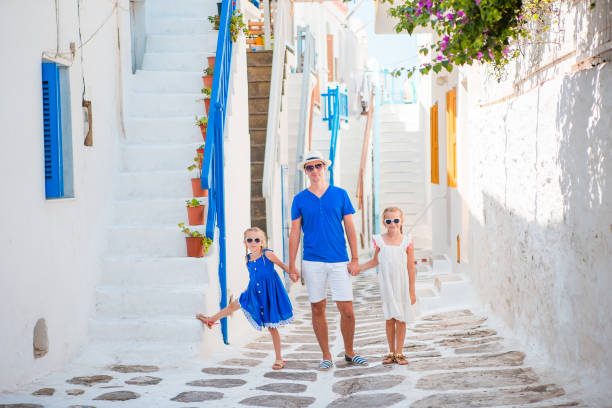
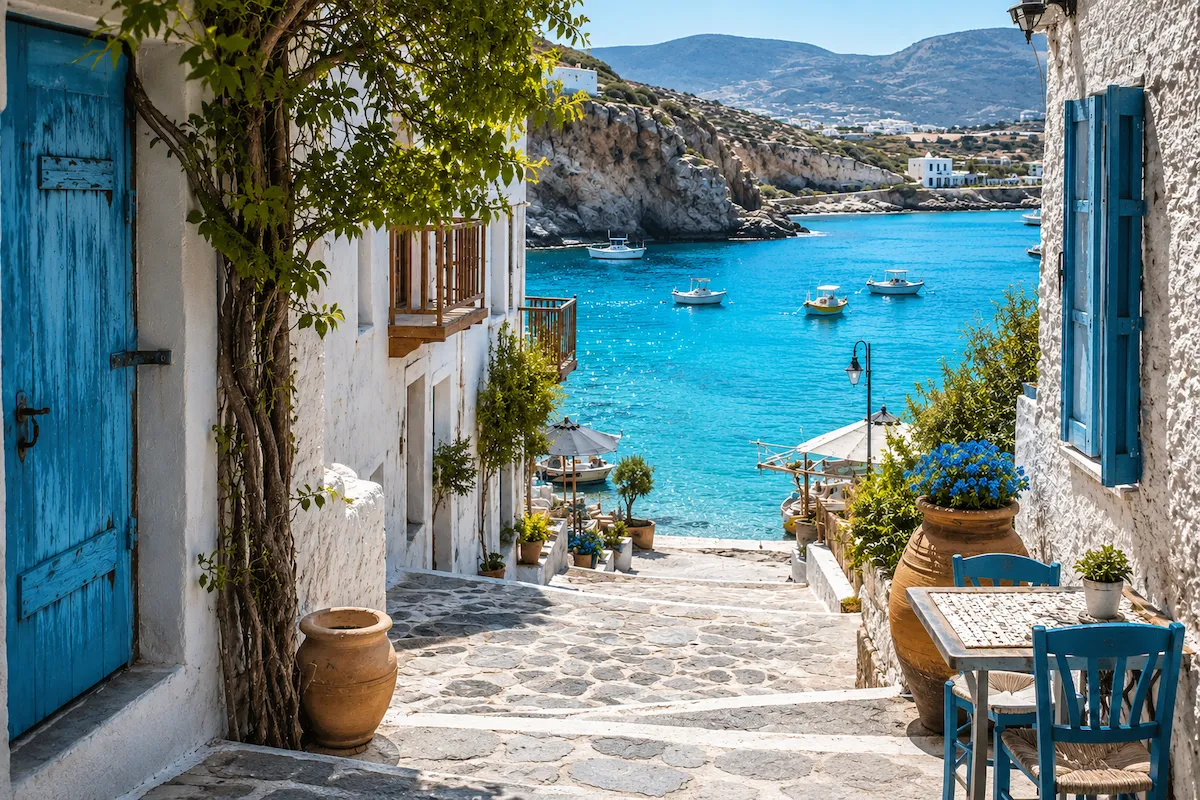
In the middle of the Aegean, in the Cyclades group, Mykonos is among the most popular tourist destinations of Greece — a haunt of the world's jet set with its cosmopolitan lifestyle, luxury entertainment and aesthetic architecture. By day it presents the profile of a quiet Aegean town, with narrow white lanes decked in bougainvillea, the historic waterfront houses known as "Little Venice" and its iconic windmills. Yet with fine-sand beaches of crystal-clear water such as Psarou, Paradise and Super Paradise, the island sets the standard for beach tourism. In the evening it becomes a global capital of nightlife, with world-famous DJs performing and elite parties spilling from the beach clubs into the streets. Mykonos is a special destination that has both preserved its traditional island architecture and blended modern premium holiday concepts at the highest level.
The Ancient City of Delphi
Built against a magnificent valley view on the steep, sheltered slopes of Mount Parnassus, Delphi is the most mysterious site of the ancient Greek world, regarded as the "navel of the world" (Omphalos). According to mythology the home of the god Apollo and of the future-seeing oracles (the Pythia), this sacred region was a global diplomatic centre where kings, commanders and statesmen invariably sought counsel before deciding on war or peace. The still-standing remains of the Temple of Apollo, the ancient stadium where games similar to the Olympics were held every four years, the mountain theatre with its perfect acoustics and the Delphi Archaeological Museum make this the most culturally and intellectually satisfying of all the places to visit in Greece. It offers a unique route for those who wish to feel the majesty of nature and the depth of history at once.
Rhodes
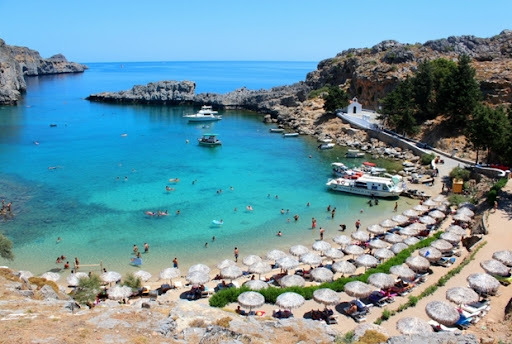
The administrative centre and largest of the Dodecanese, Rhodes is a true open-air museum with a multi-layered past reaching from antiquity to the Ottoman era, from the knights of the Middle Ages to Italian architecture. The island's most enchanting part is its walled medieval city, a UNESCO World Heritage Site and the best-preserved medieval town in the world where life still goes on within the walls. The Palace of the Grand Masters and the Street of the Knights, built by the Knights of St. John, carry visitors straight back to the 14th century. In the island's south, the town of Lindos, famous for its whitewashed houses beneath an ancient acropolis, unites historical texture with a deep-blue bay. Thanks to its logistical closeness to the Turkish coast, its rich cultural heritage and its kilometres of coastline, Rhodes always ranks near the top of any list of places to visit in Greece.
Lefkada and Porto Katsiki Beach
Lying in the west of the Ionian Sea, Lefkada offers easy access thanks to the small floating bridge that links it to the mainland, while its beaches draw one of the most prestigious coastal profiles in the world. On the island's west side, Porto Katsiki Beach is a natural wonder where sheer limestone cliffs rise like a colossal wall behind the white sand. The milky turquoise tone created as these brilliant white rocks dissolve into the sea carries the quality of the Greek coast onto the world stage. Breathtaking when viewed from above, the bay — with its clarity and untouched character — is the first choice of discerning travellers and sea lovers who want to escape mass tourism.
The Traditional Villages of Pelion
For those who wish to discover the mountain culture, the true folk spirit and the local architecture that lie behind Greece's Mediterranean and maritime identity, the Pelion peninsula is a hidden paradise. Known in mythology as the home of the Centaurs — half man, half horse — this lush green region is famous for its grey stone-roofed houses hidden among dense chestnut and plane trees. With their distinctive architecture, narrow cobbled footpaths, village squares shaded by centuries-old trees and bougainvillea-framed windows, villages such as Makrinitsa, Portaria and Tsagarada make you forget the very concept of time. These are special refuges untouched by industrial tourism, where home-made local flavours, hospitality and the philosophy of slow living — the cultural essence of Greece — can be experienced in their purest, most sincere form.
For busy professionals and travellers who lack the time for lengthy planning, organised tours offer great operational convenience in discovering these rich and extensive routes. With the day tours to Greece organised by Tilos Travel, you can enjoy the islands and the historic sites to the full.
Frequently Asked Questions (FAQ)
What Is the Most Famous Dish of Greece?
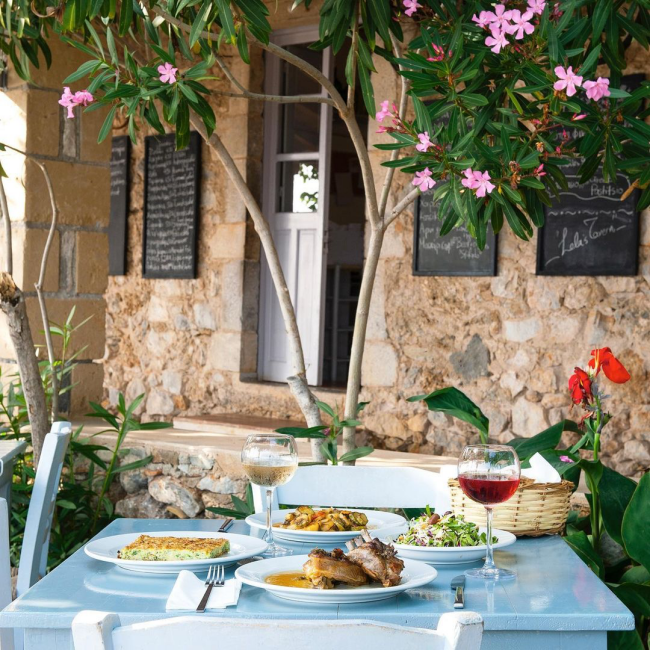
Greek gastronomy holds the healthiest and most delicious examples of the Mediterranean diet, with fresh herbs, fine olive oils and seafood. The dish accepted worldwide as Greece's most famous is Moussaka: layers of aubergine and potato sautéed in olive oil, specially spiced minced beef, and a thick, golden layer of baked béchamel on top. Alongside it, Tzatziki, Souvlaki and the feta-topped Greek salad (Horiatiki) are the pillars of the cuisine.
What Should You Consider When Choosing Accommodation in Greece?
The vision of accommodation in Greece varies with the character of the region you visit. On luxury- and boutique-focused islands such as Santorini and Mykonos, cave hotels suited to the volcanic architecture and private villas stand out, while large islands such as Rhodes, Crete and Kos offer extensive all-inclusive resorts. It is operationally important to match the property to your purpose of travel and budget, and to check local transport links and the distance to the beaches.
When Is the Best Time to Visit Greece?
If your trip is built entirely on culture, history, ancient cities and hiking, the mildest and most comfortable periods are spring (April-May) and autumn (September-October). But if you want to enjoy the Aegean and Ionian Seas, experience the beach clubs and join the lively island nightlife, the high season between June and August will be the right timing for you.
You May Also Like→