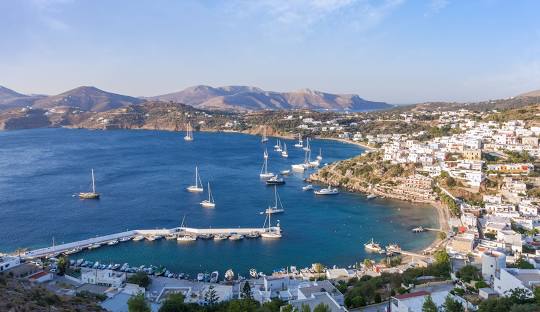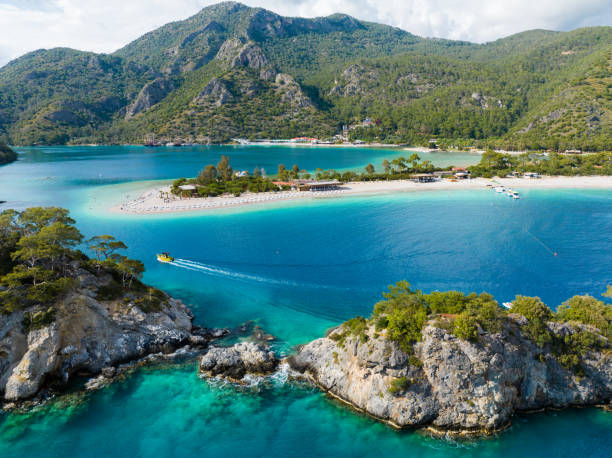
Rising in the southeastern Aegean, Rhodes is the largest island of the Dodecanese and one of the region's most popular holiday destinations. With an area of about 1,400 km² and a population of more than 115,000, this great island offers modern tourism facilities together with a rich cultural heritage thousands of years old. Home to many civilisations throughout history, Rhodes today is a giant open-air museum that captivates not only sea-and-sun lovers but history enthusiasts as well.
The island's worldwide fame rests above all on its "Old Town", a UNESCO World Heritage Site regarded as the best-preserved medieval settlement in Europe. This legendary land, whose harbour was once graced by the Colossus of Rhodes — one of the Seven Wonders of the ancient world — invites its visitors on a multi-layered journey of discovery, from the stone lanes of the Street of the Knights to the crystal-clear waters of Anthony Quinn Bay. Whether you wish to explore magnificent castles or simply enjoy the Mediterranean sun, the Greek island of Rhodes offers a unique route for every traveller.
Places to Visit in Rhodes
The sights of Rhodes invite visitors into two different worlds: on one side, colossal walls where you can almost hear the footsteps of medieval knights; on the other, authentic villages hidden among steep cliffs and lush valleys. Every corner of the island blends the legacy of millennia of civilisation with nature's generosity. Stretching from UNESCO-listed ancient cities to narrow lanes draped in bougainvillea, this route is not just a tour but a journey through time, between the splendour of the past and the serenity of the present.
The Old Town: The moment you enter this UNESCO-protected quarter you leave the modern world behind. Walking along the Street of the Knights inside the massive walls, you will feel like an extra in a medieval film. The Palace of the Grand Masters rises in all its glory at the top of the citadel; the mosaics and vast halls inside are mesmerising.
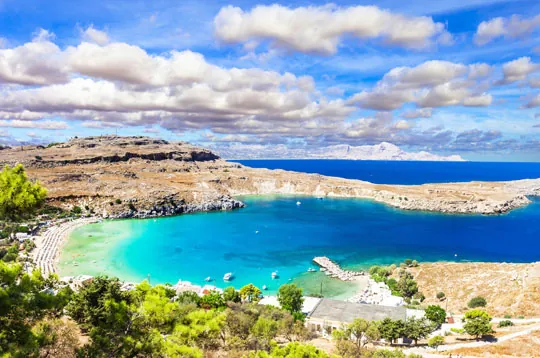
Lindos Village: The postcard face of Rhodes. Its narrow whitewashed lanes are open to pedestrians only. At the very top stands the Acropolis of Lindos: climb up and you can gaze at ancient temples on one side and the endless blue of the Aegean on the other.
The Valley of the Butterflies (Petaloudes): Visit between June and August and you will see thousands of tiger moths completely covering the tree trunks. With its cool streams and wooden bridges, this valley is the island's most peaceful escape.
Ancient Kamiros: Known as the "Pompeii of Rhodes", this precious archaeological site lets you see the houses, water systems and marketplaces of an ancient city just as they once were.
Rhodes Beaches and Bays
With one of the longest coastlines in the Dodecanese, Rhodes offers a crystal-clear collection of seas to suit every taste. Because of the island's geography, the coast shows two different characters: the east side is generally sheltered from the wind, with calm, glassy water and fine sandy beaches, while the west side, with its lively waves and constant breeze, is the centre for surf enthusiasts. From hidden turquoise coves to endless golden sands, the beaches of Rhodes promise an unforgettable swim in the clearest waters of the Aegean.
Anthony Quinn Bay: The bay took its name after the famous actor fell in love with it — and wanted to buy it — while filming "The Guns of Navarone" here. Thanks to its rocky floor the water is so clear that this is the island's best spot for swimming among the fish.
Tsambika Beach: Arguably the island's best sandy beach. The sea deepens very gradually, so families with children adore it. If you brave the 300 steps up to the monastery above the beach, you will be rewarded with one of the finest views of your life.
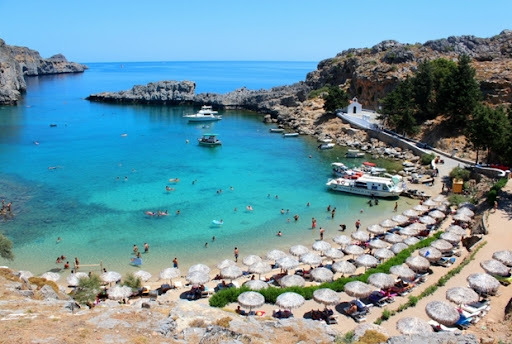
St. Paul's Bay: Just below the Acropolis of Lindos, this almost completely enclosed bay is famous for its turquoise colour. The water is calm and warm.
Prasonisi: At the island's southernmost tip, where two seas meet: on one side the water lies flat as a sheet, on the other giant waves roll in. That is why surfers flock here from all over the world.
What to Eat in Rhodes
The cuisine of Rhodes is a rich table where classic Greek flavours meet the fresh produce of the Mediterranean and the island's own traditional recipes. Standing at the crossroads of cultures throughout its history has given the island's food culture a unique variety. From seafood fresh out of the water to local meat dishes slow-cooked in the mountain villages, every plate reflects the bounty of Rhodian soil. The long, convivial dinners that are a Greek island tradition become, in the tavernas of Rhodes, not just a meal but an art of living shared over local wines.
Mezedes: A meal always begins with the small plates called "mezedes". Fried cheese (saganaki), tzatziki and fava are indispensable.
Seafood: In the tavernas of Rhodes harbour or the Lindos seafront, stuffed calamari, grilled octopus and the fresh fish of the day are a must.
Pitaroudia: A delicious fritter unique to Rhodes, made with chickpeas, tomato and mint.
Melekouni: A traditional Rhodian sweet of honey and sesame, served especially at weddings — it also makes a lovely gift to take home.
How to Get to Rhodes
Thanks to geographical proximity and modern crossings, travelling to Rhodes from the Turkish coast has become both extremely fast and genuinely enjoyable. The sea is the most popular and comfortable way to reach the island at the meeting point of the Aegean and the Mediterranean. At Tilos Travel, with years of experience and a professional service approach, we turn your crossing into the start of your holiday.
The Fethiye - Rhodes Line: For those who wish to travel amid the unique scenery of the Mediterranean, the Fethiye route is a wonderful choice. With the Fethiye Rhodes ferry ticket options offered with the assurance of Tilos Travel, you can reach the island safely in a crossing of about 1.5 hours. This line is especially convenient for guests staying in the Fethiye area.
Tickets and Door Visa Made Easy: Use our online booking system to check the latest timetables and take advantage of favourable fares. For guests without a valid Schengen visa, our Rhodes door visa consultancy manages your paperwork professionally so you can focus on your holiday.
Getting Around the Island: From the moment you step ashore at Rhodes harbour you can walk to the Old Town, the heart of the island, or use the car-hire options around the port to explore its farthest corners.
Where to Stay in Rhodes
With its vast area of about 1,400 km², Rhodes offers visitors a wide variety of places to stay. Where you stay really depends on the holiday you dream of: would you rather breathe the mystical spirit of the Middle Ages, or unwind in a luxury resort right on a deep-blue beach? From romantic boutique hotels to lively seaside towns, from tranquil mountain villages to vast holiday complexes, Rhodes welcomes thousands of tourists every year with accommodation for every budget and expectation.
The Old Town: The ideal quarter for history lovers and seekers of a romantic atmosphere. The historic stone buildings within the UNESCO-protected walls have been converted into elegant boutique hotels. Staying here, you can stroll the illuminated Street of the Knights in the evening and travel through time in the heart of the island.
Rhodes Town (New Town): Reflecting the island's modern face, this area is perfect for those who want to be close to the shops and the famous Elli Beach. Within walking distance of restaurants, bars and the harbour, it is extremely practical.
Lindos: The island's most iconic and photogenic spot — unmatched for those who want to stay in whitewashed traditional houses or luxury boutique hotels. Closed to traffic, with its famous beach and historic Acropolis, it suits those seeking a quieter, more refined holiday.
Faliraki: If your holiday is about fun and the sea, Faliraki is the liveliest choice. Known for its wide golden beach and nightlife, it is also home to the island's biggest water park — good for young people and fun-seeking families alike.
Ixia and Ialyssos: On the west coast, these areas are the hub of the big chain hotels and all-inclusive resorts. As the sea here is a little wavier and windier, they are favoured by water-sports fans and by holidaymakers who prefer not to leave the comfort of their hotel.
Kolymbia: Between Faliraki and Lindos, this area suits families and couples seeking calm and quiet. With roads lined with eucalyptus trees and well-kept beaches, it offers a high-quality place to rest.
Frequently Asked Questions (FAQ)
Is There a Visa on Arrival for Rhodes?
Yes — under the door-visa scheme valid throughout the tourism season, Turkish citizens holding a standard (maroon) passport can enter the island through a simplified procedure.
How Many Days Do You Need for Rhodes?
Given the island's size and the variety of its sights, a plan of at least 3-4 days is recommended for a visit to Rhodes; to explore it fully, a week is ideal.
Which Islands Can You Visit from Rhodes?
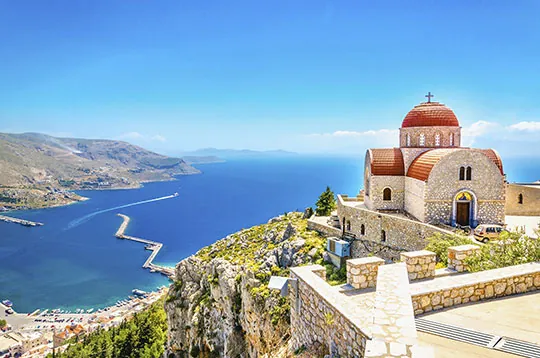
Regular domestic ferries run from Rhodes harbour to nearby islands such as Symi, Kos, Tilos and Kastellorizo (Meis). For these inter-island crossings there is an important point to bear in mind regarding travel rules and legal procedures.
To use these ferries between the Greek islands, passengers must hold a valid Schengen visa or a Turkish green passport. Travellers without these documents cannot make inter-island crossings, so it is essential to check your visa status first when planning your trip.
You May Also Like→